
What Women Inherit
A Tunggu Tubang who has carried her family's land through 17 generations, and the chair building a women's forum meant to outlast the project that convened it.
FORBESS and a Just Transition Built to Endure
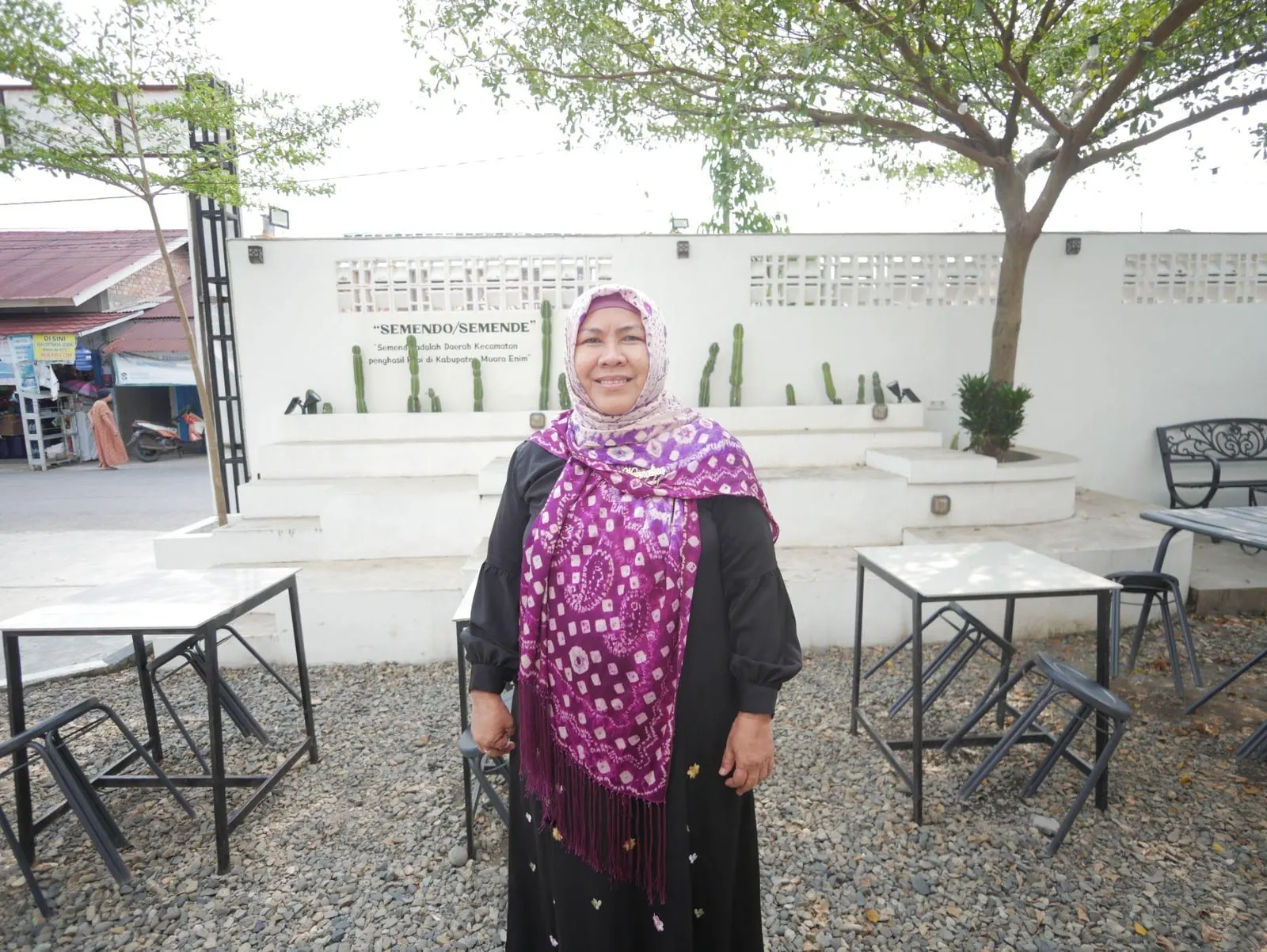
Deep in the highlands along the Bukit Barisan Mountains of South Sumatra live the Semende people. From her village, Ibu Ani Tasriah embarks on a four-hour bus journey to Muara Enim, where Yayasan Mitra Hijau (YMH) is holding its final capacity-building training for members of the South Sumatra Women’s Forum for Just Energy (FORBESS).
The distance is measured not only in hours. It separates remote forest communities from the towns where training is held and markets are accessed. For Ibu Ani, the journey offers a way to cross that distance without leaving behind the place, culture and responsibilities that define her.
She introduces herself as a housewife. Yet this 46-year-old mother of three is also the head of a women-led Social Forestry Business Group that helps manage nearly 44 hectares of customary forest.
Indonesia’s Forestry Law of 1999 originally classified customary forests as part of state forests. In 2013, Constitutional Court Decision No. 35/PUU-X/2012 affirmed that customary forests lie within customary territories and are not state forests, establishing a landmark recognition of Indigenous communities’ rights to the forests they have protected across generations.
For the Semende, the forest is inseparable from a much older system of responsibility.
Ibu Ani is the Tunggu Tubang, the eldest daughter entrusted with the care of her family’s ancestral house and lands. She traces this matrilineal responsibility through 17 generations.
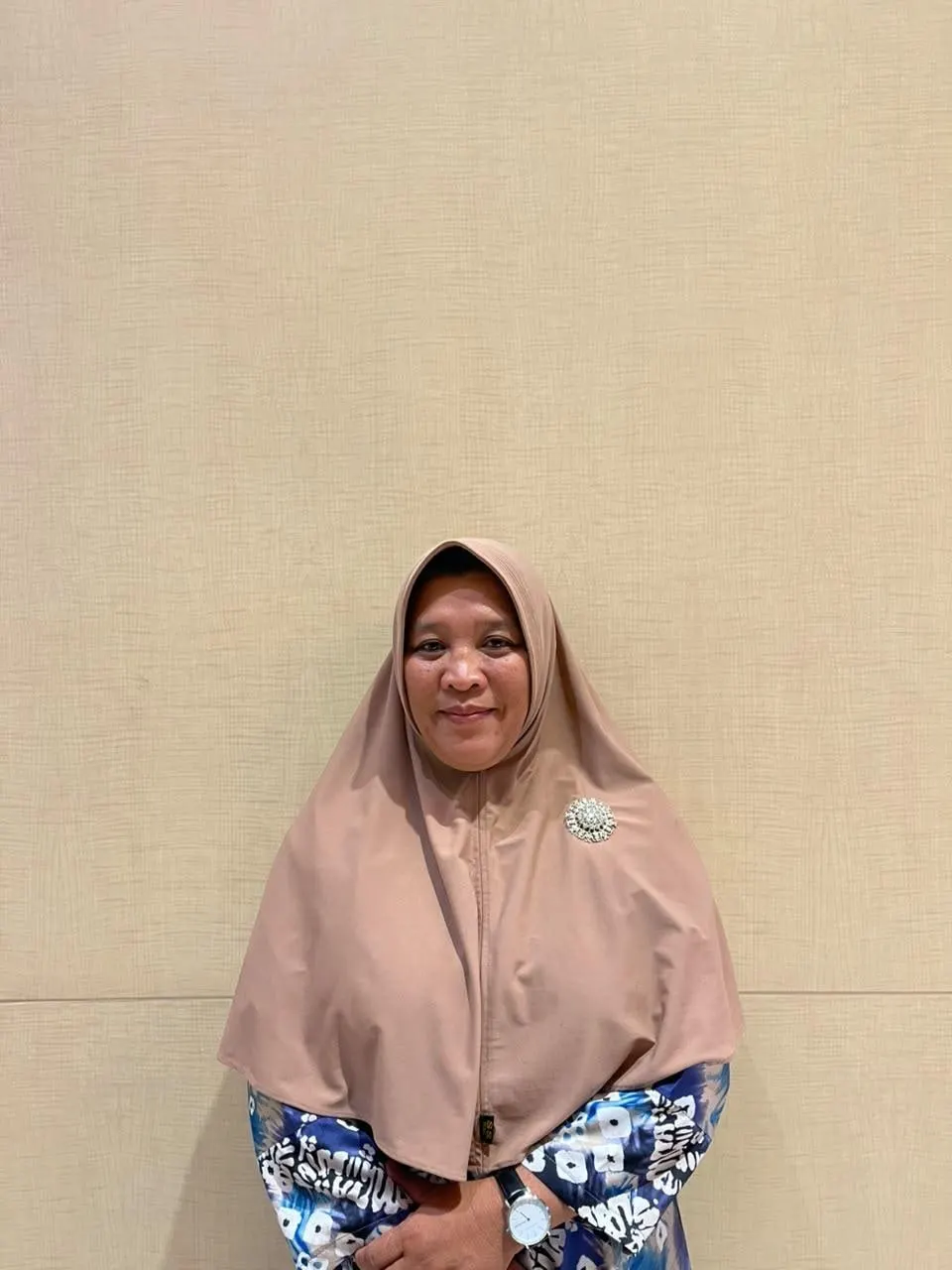
The matrilineal custom places women at the centre of continuity. The house and ancestral lands pass through the eldest daughter, but with them comes the obligation to protect a collective inheritance whose life extends far beyond her own.
Ibu Ani carries this principle into her work with the Kelompok Perempuan Monitoring Hutan, or Women’s Forest Monitoring Group. The women regulate how forest resources are used, monitor agriculture and the collection of forest products, and ensure that trees that are cut are replaced.
Many have other occupations, but their lives remain closely tied to the land; they cultivate paddy, coffee and vegetables, drawing food and income from a landscape they are also responsible for protecting.
The remoteness that has helped preserve their forests and customs can also make economic life difficult. Independent farmers and producers struggle to reach buyers, improve packaging or acquire the digital skills needed to enter wider markets.
FORBESS connects Ibu Ani with women entrepreneurs, environmental practitioners and organisers from other parts of South Sumatra. Through the forum, she can develop skills in areas such as digital marketing and label production while building relationships beyond the highlands.
But the importance of that connection is larger than market access.
FORBESS carries the knowledge and concerns of remote Indigenous communities into a regional conversation on just transition. It creates a space in which the Semende way of life is not treated as something belonging only to the past, but as part of the future South Sumatra must protect.
Inheritance as a Way of Seeing Transition
The principle of Tunggu Tubang offers a powerful way to understand a women-led just transition.
An energy transition is often discussed in terms of what must be replaced: coal with renewable energy, old jobs with green jobs, depleted industries with new sources of income.
Tunggu Tubang asks a different question: what has been placed in our care, and what must remain for the next generation?
For the women of Semende, land is not simply an economic asset to be exhausted or exchanged. It carries memory, identity and obligation. Its value lies partly in its ability to continue sustaining lives beyond the present.
A just transition shaped by the same principle would not measure success only in megawatts, investment or newly created enterprises. It would ask whether communities can remain on their lands, whether distinct cultures and ways of life can endure, and whether the people most affected have the power to determine what development should look like.
FORBESS carries this concern from the customary forests of Semende into a wider network of women facing different versions of the same question: what will their communities inherit from today’s economic decisions?
Assembling the Forum
If Ibu Ani is responsible for an inheritance passed through 17 generations, Ibu Nurmalina is trying to build an institution that has only just begun.
At 59, she is the elected chair of FORBESS. She is an executive member of Badan Kontak Majelis Taklim Sumatera Selatan, vice-chair of Perempuan Tani HKTI Sumatera Selatan and chair of Ikatan Pengusaha Muslimah.
A graduate of the Faculty of Agriculture at Universitas Sriwijaya, she previously worked as a human resources manager on a hybrid coconut plantation in Riau. She later became an agency director at Sinarmas Life Insurance and managed a six-hectare nursery producing acacia and eucalyptus seedlings for industrial forest plantations.
She brings these different strands of her life into her leadership of FORBESS: agriculture, business, environmental interests and women’s organising.
To me, it is like a puzzle that must be fitted. Everything is separate, so the potential remains with each individual. Without piecing everyone together, we cannot move forward or grow.
Across South Sumatra, she encounters women managing customary forests, operating waste banks, producing handicrafts, cultivating crops and running small businesses. Their work is rooted in different landscapes and ways of life, from the highlands of Semende to the towns of Muara Enim, Lahat and Palembang.
The purpose of FORBESS is to create relationships between them, allowing experience from one community to travel to another while preserving what makes each place distinct.
Ibu Nurmalina has long imagined an ecotourism initiative on approximately eight hectares of land she owns near Muara Enim. Her vision is not of an attraction imposed upon a village. She imagines a place where visitors encounter the area through its agriculture, forests, pottery, crafts and local enterprises. Perhaps value from appreciation of one place can replace that derived from its extraction.
With firm conviction, Ibu Nurmalina shares that government agencies responsible for forestry, plantations and tourism could collaborate with residents according to the cultural identity of the area. One community may be known for clay suitable for pottery. Yet another may have coffee, forest products or traditional crafts that could support local livelihoods without being separated from the people and landscapes that produced them.
She also imagines renewable energy becoming part of that experience, including solar power and the small-scale hydropower systems used by some remote communities.
“When Prof. Erna invited me, it connected with a long-held aspiration of mine,” she says. “It was in line with my background and what I have wanted to do.”
What began as her personal vision became, through FORBESS, a question of collective possibility: how can the many identities and livelihoods of South Sumatra become part of a transition?
Many Places, a Shared Direction
Around the forum, the range of possible activities continues to grow.
Ibu Nurmalina sees maize husks being transformed into artificial flowers, baskets or woven trays. Corn stalks might be composted rather than discarded. Existing handicrafts could be refined to reach buyers beyond local markets. Women operating waste banks could exchange experience with social-forestry groups.
A forestry agency has identified 13 social-forestry business groups that may offer opportunities for collaboration, she explains. Each works within a different landscape and with different materials, traditions and constraints.
A single product cannot hold these communities together. The connection must come from a shared direction: building livelihoods that allow women to support their families without sacrificing the forests, lands and traditions on which those livelihoods depend.
This is where FORBESS’s promise lies.
It can connect a woman monitoring customary forest in Semende with a waste-bank organiser in Lahat; a traditional craft producer with someone who understands digital marketing; a farmer in a distant village with women experienced in business and organisational leadership.
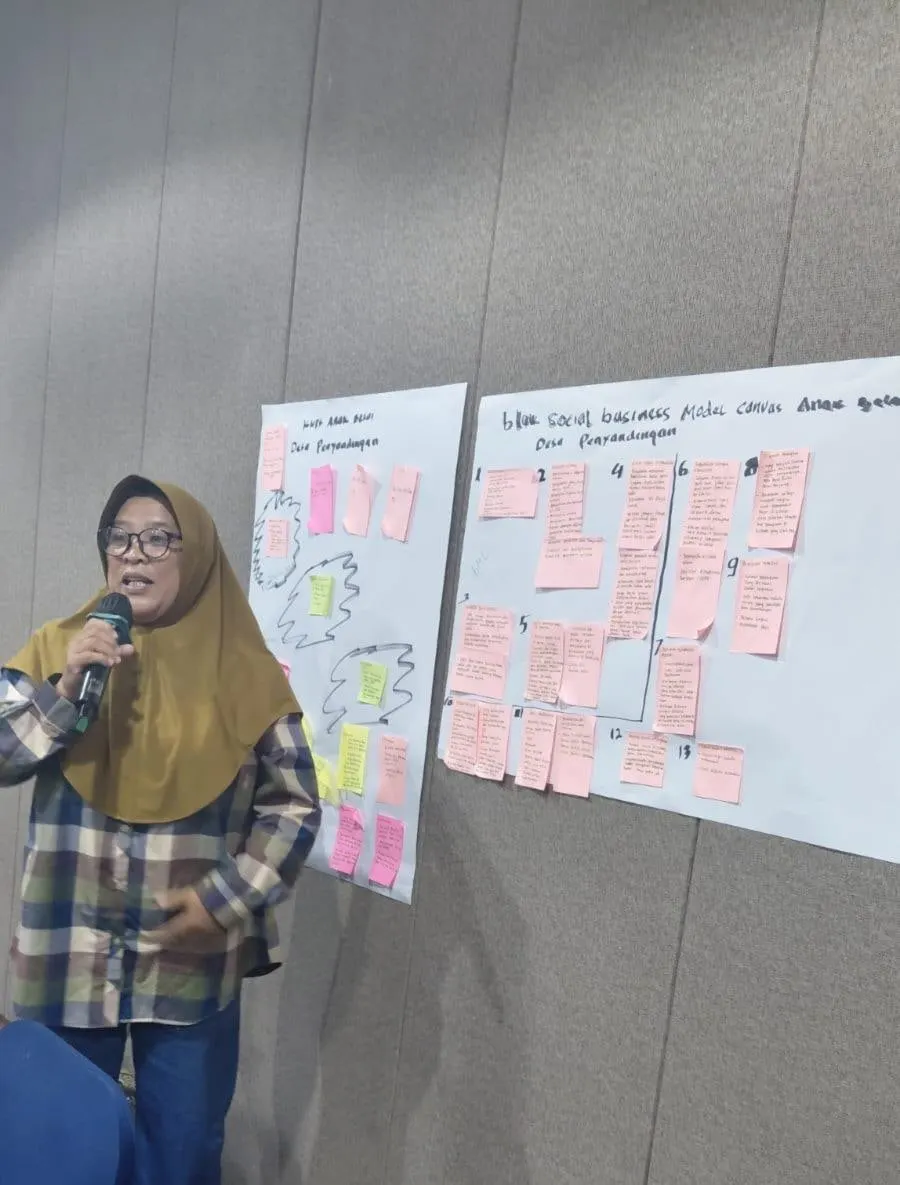
These connections may seem modest, but remoteness magnifies their importance. A woman living several hours from the nearest town may possess valuable products and knowledge while remaining largely invisible to markets, institutions and policy discussions.
FORBESS can reduce that isolation. It allows women to meet across distance, compare challenges and make their communities visible to one another.
The forum also makes room for difference. A just transition in a customary forest community will not look the same as one in a mining town or an urban neighbourhood. The livelihoods, cultural responsibilities and relationship to land are different.
A regional women’s forum can, and should, hold these differences within the same conversation rather than forcing every community into a single model of development.
What Must Survive the Project
YMH formally brought FORBESS together in April 2026. As the project approaches its conclusion, the forum faces a transition of its own.
It must move from a project-supported network into an organisation capable of sustaining itself.
For Ibu Nurmalina, the immediate work is practical. FORBESS must complete its organisational structure and secure legal status. Stakeholders in Lahat have expressed interest in supporting the forum, she says, but formal collaboration will be difficult until it is legally recognised.
Keeping women connected across a province as large as South Sumatra also requires resources. Travel costs money. A day spent attending training may be a day away from farming, paid work or responsibilities at home.
Participation cannot be sustained by enthusiasm alone.
Then there is the question of funding.
In a coal-producing region, mining companies are among the most visible sources of corporate social responsibility support. Ibu Nurmalina acknowledges that avoiding these funds completely may be difficult. Yet she also recognises that receiving support from a mining company can make communities reluctant to speak about the harms associated with its operations.
A forum advocating for just transition must therefore consider not only how much funding it receives, but whether that funding affects what its members are free to say. Ibu Nurmalina not only acknowledges this conundrum, but faces it head on.
Ibu Nurmalina hopes to widen FORBESS’s circle of partners to include plantation companies, business associations and government agencies working on women’s economic empowerment.
Even when funding is difficult to avoid, she says, “the ethos of FORBESS must remain firm. It has to be firm.”
The challenge is to build an organisation capable of opening doors for its members without closing its own voice.
What Women Carry Forward
When the final training concludes, Ibu Ani begins the four-hour journey home.
She returns to the Semendo highlands, where the work of protecting the customary forest continues. Ibu Nurmalina returns to the less visible tasks of legal registration, organisational planning and finding partners for a young forum spread across a vast province.
Their responsibilities operate on different scales, but they are connected by the same concern: ensuring that what matters survives into the future.
“This is for the next generation,” Ibu Nurmalina says. “We have to protect and preserve the environment.”
FORBESS does not yet have the 17 generations of history that stand behind Ibu Ani. Its structure is unfinished, and its future is not guaranteed.
But the principle at its heart is familiar.
Tunggu Tubang teaches that inheritance is sustained because someone accepts responsibility for what must outlast her. FORBESS extends that principle beyond one ancestral house or parcel of land. It asks women across South Sumatra to take collective responsibility for the economic, environmental and cultural future their communities will inherit.
For some, that future begins with a customary forest. For others, it begins in a waste bank, a farm, a pottery workshop or a small village enterprise. FORBESS gives these different worlds a place to encounter one another.
A women-led just transition should not require remote communities to choose between participation and identity, or between economic opportunity and the survival of their traditions. It should enable them to enter the future on their own terms.
That is what Ibu Ani’s journey represents: a way of ensuring that the life of those mountains travels with her into the rooms where South Sumatra’s future is being imagined.
More stories
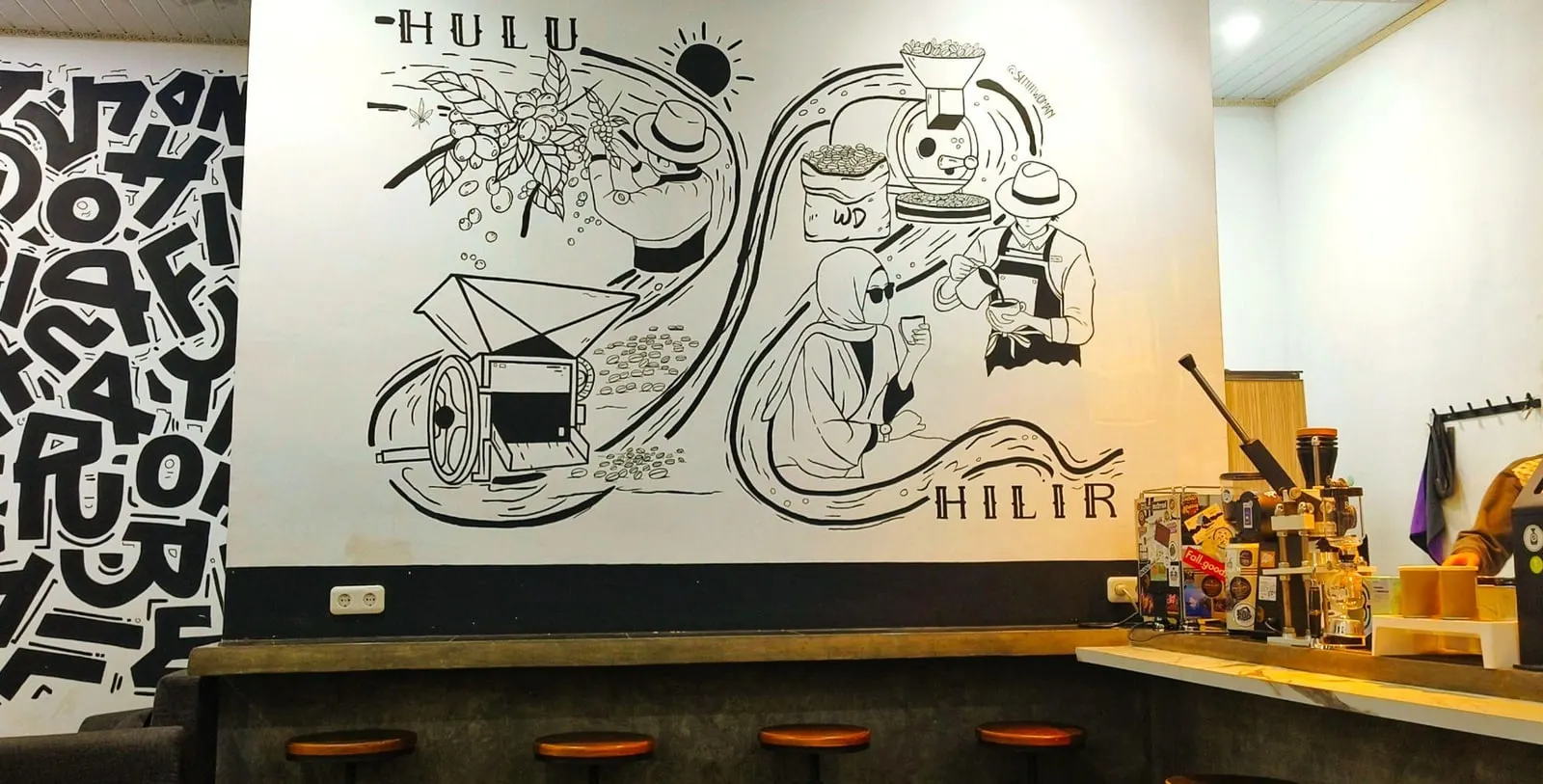
The Long Harvest: Growing a Sustainable Future Beyond Coal in Muara Enim
Robby Anugrah Putra is building a specialty coffee industry in Muara Enim, so that a district shaped by coal has something lasting to grow instead.
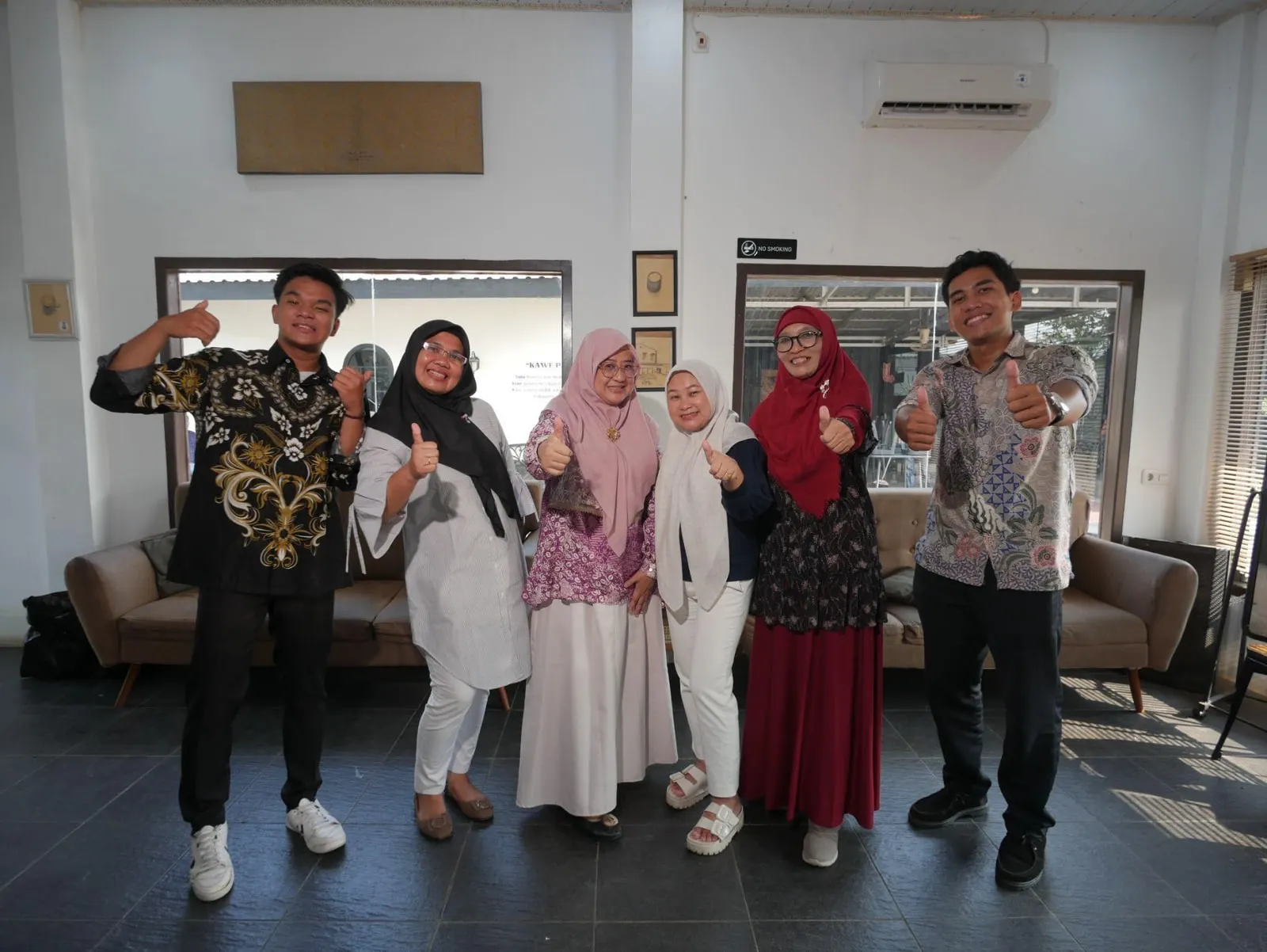
The Door They Opened: The Women Behind YMH’s Just Transition in South Sumatra
A professor, a lawyer and a former teacher ran IKI-JET’s work in South Sumatra. They had six months. Prof. Erna reckons it takes about that long simply to become known in a village.