
Refusing the Inheritance of Coal
Ari is a coffee entrepreneur living less than a kilometre from an operating coal mine. Most people his age work in the mines. He is not waiting for the coal to run out before building something else.
Ari Brings Muara Enim’s Youth Voice to the National Stage
Thirty-year-old entrepreneur Ari Firmansyah unabashedly declares that coffee is his life.
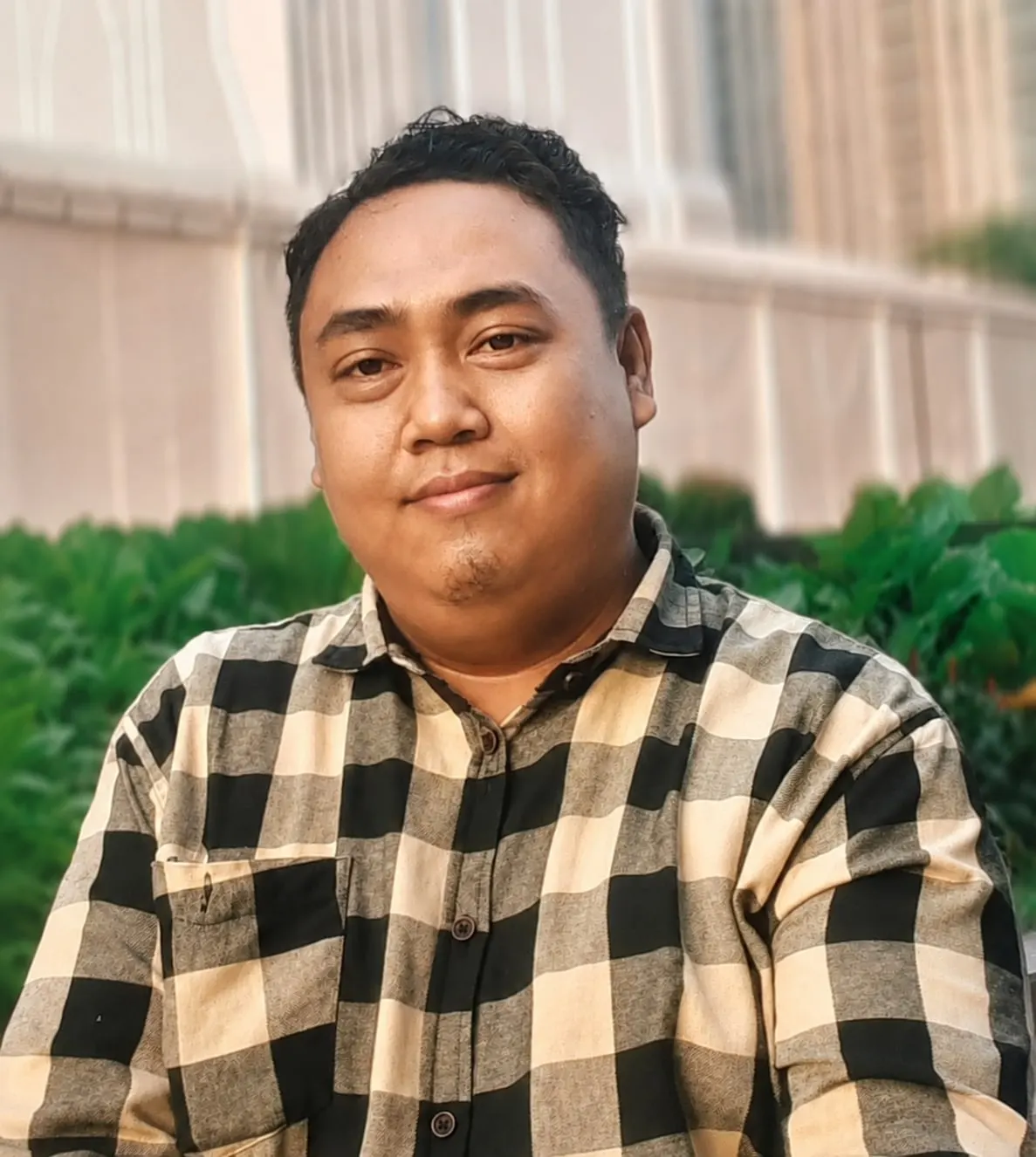
He began trading kopi jahe, a warming blend of coffee and ginger, in 2021. By 2024, he had expanded into mobile street coffee through Jaga Hati (“Care for the Heart”), a venture that travels around Muara Enim and occasionally to events in Lahat and Palembang.
Coffee is an honest drink. However it is prepared, its underlying character—its bitterness—remains.
Muara Enim experiences its own underlying bitterness.
Ari lives less than a kilometre from an operational coal mine. He recalls that mining began close to his neighbourhood after the COVID-19 pandemic. Since then, he says, coal dust has travelled towards nearby homes. His mother, who spends more time at home, frequently coughs. Residents have also felt the area grow hotter as trees and vegetation have disappeared.
Heavy coal trucks once passed close to the neighbourhood. They now reportedly use an unfinished public road, wearing down a route that was never designed to carry such loads.
Here, coal is not an abstract source of energy. It is present in the dust, the roads and the working lives of young people.
Most people of Ari’s age work in the mines, often as truck drivers or heavy-equipment operators. He understands why. Mining offers jobs and wages in a region whose economy, and the government revenue it generates locally, is deeply tied to coal.
If coal extraction were to stop suddenly, Ari believes Muara Enim would face widespread unemployment, falling revenue and serious economic disruption. Yet he also sees the danger of waiting until that moment to imagine what comes next. The longer the region depends almost entirely on coal, the harder it will be for communities to build other ways of making a living.
Ari chose a different path. He chose coffee.
Reclaiming the Voice as Stakeholders
Through the IKI-JET project, Yayasan Mitra Hijau has worked with young people through initiatives such as Sorelo Green and Rembuk Serasan Muara Enim. The programmes create opportunities for youth to develop practical skills through activities including coffee roasting, media and journalism training.
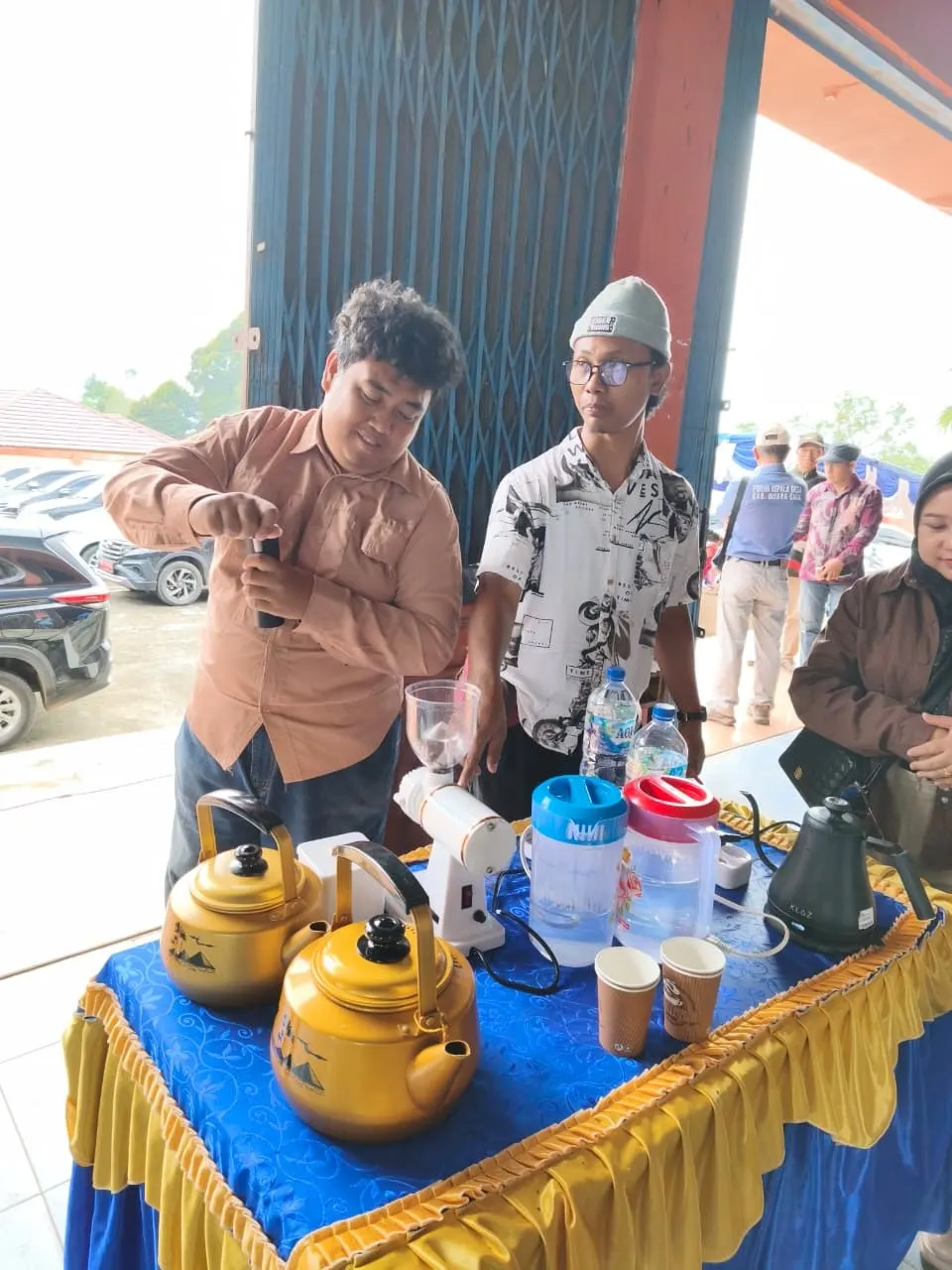
More importantly, they provide spaces where young people can examine their region’s dependence on coal, share their experiences and begin articulating their own vision for its future.
Young people are often spoken of as the future beneficiaries of an energy transition. Yet they are rarely given meaningful opportunities to influence how that transition is planned.
For Ari, participation offered a path from experiencing the effects of coal extraction to speaking about them, and to proposing alternatives.
His work with the Muara Enim Coffee community exposed him to a wider economic ecosystem of farmers, processors, baristas, small businesses and buyers. It showed him that local knowledge and enterprise already exist outside the mining sector, even if they have yet to receive the investment and policy support needed to grow.
Coffee became one example of what economic diversification could look like. Ari believes Liberica coffee could potentially be cultivated on suitable post-mining land, creating opportunities for farmers and young entrepreneurs. But the larger principle extends beyond any single crop: alternative sectors must be developed before coal declines, while communities still have time to build the skills, institutions and markets they will need.
Taking Muara Enim’s Experience to Jakarta
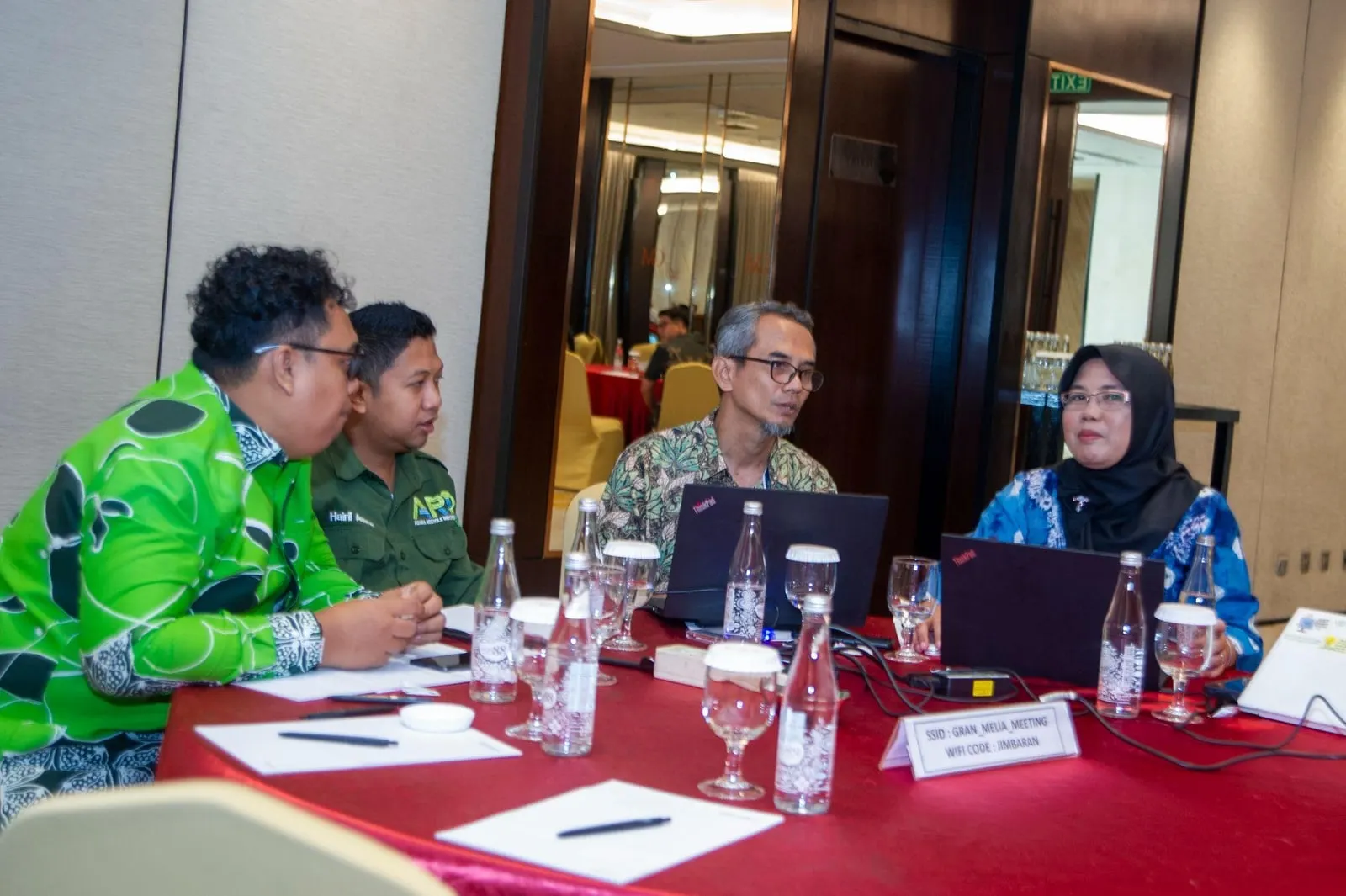
On 9 June 2026, Ari travelled to Jakarta for the National Policy Dialogue on Regional Economic Transformation in Coal-Producing Regions. He represented Rembuk Serasan Muara Enim and the Muara Enim Coffee community.
The dialogue brought together national ministries and agencies, provincial governments, labour unions, civil society organisations, development partners and community representatives. It aimed to carry lessons from South Sumatra and East Kalimantan into national discussions on Indonesia’s transition away from coal-dependent economic activities.
Ari entered this space not as a policy expert from Jakarta, but as a young person living beside a mine and trying to build a livelihood beyond it. He carried with him the experiences of a generation for whom the transition is neither theoretical nor distant.
Ari advocating for greater support for the coffee industry in Muara Enim as a means of diversifying the economy. Ari addressing the National Policy Dialogue in Jakarta.
The dialogue considered four policy recommendations: developing solar power on post-mining land; preparing workers for employment in new sectors; integrating just transition principles into mine-closure and reclamation criteria; and strengthening community participation and economic opportunities throughout the mining cycle.
Within these discussions, tourism and coffee production were identified as priority sectors for South Sumatra’s economic diversification. Recommendations included strengthening cooperatives and small enterprises, expanding value-added processing and certification, and developing new uses for suitable post-mining land.
The meeting also recognised the importance of youth capacity-building, green economic development, stronger small and medium enterprises, and continued community participation from the period before mining begins until after it ends.
The Ministry of National Development Planning of the Republic of Indonesia (Bappenas) noted that the workforce roadmaps developed in South Sumatra and East Kalimantan aligned with Indonesia’s Green Jobs Roadmap and the green-economy agenda in the National Medium-Term Development Plan. It also emphasised that communities need sustained mentoring and access to finance, markets, employment services and entrepreneurship opportunities, not isolated training activities.
A single dialogue does not transform policy overnight. Ari’s participation did not, by itself, resolve Muara Enim’s dependence on coal. But policy influence often begins when people previously discussed only as “affected communities” enter the room as advocates, knowledge holders and contributors to solutions.
Ari was no longer only a young person living with decisions made elsewhere. He was participating in the national conversation in which those decisions are shaped.
The Generation That Must Live with the Transition
The mine near Ari’s home remains operational. Coal trucks continue to move, and mining continues to support thousands of livelihoods across Muara Enim. Ari still serves coffee from his mobile venture.
Yet something has shifted.
Through IKI-JET, young people such as Ari are moving from the margins of the transition debate towards spaces where they can articulate their experiences, challenge assumptions and propose what should come next. Their role is not simply to adapt to a future decided for them. It is to help decide that future.
This means acknowledging the difficult realities Ari understands well: coal cannot disappear without consequences, alternative sectors will take time to develop, and young entrepreneurs cannot build a new regional economy without investment, markets and supportive public policy.
It also means refusing to wait.
The young people of Muara Enim should not have to inherit an exhausted landscape and only then be asked to imagine another way forward. Their knowledge, ambitions and ideas must shape the transition while there is still time to prepare.
Coffee may be Ari’s chosen livelihood. His larger contribution, however, is his insistence that young people have both the right and the responsibility to participate in determining what will sustain their communities after coal.
The future is no longer being discussed only over their heads. Young people like Ari are taking their seats at the table.
More stories
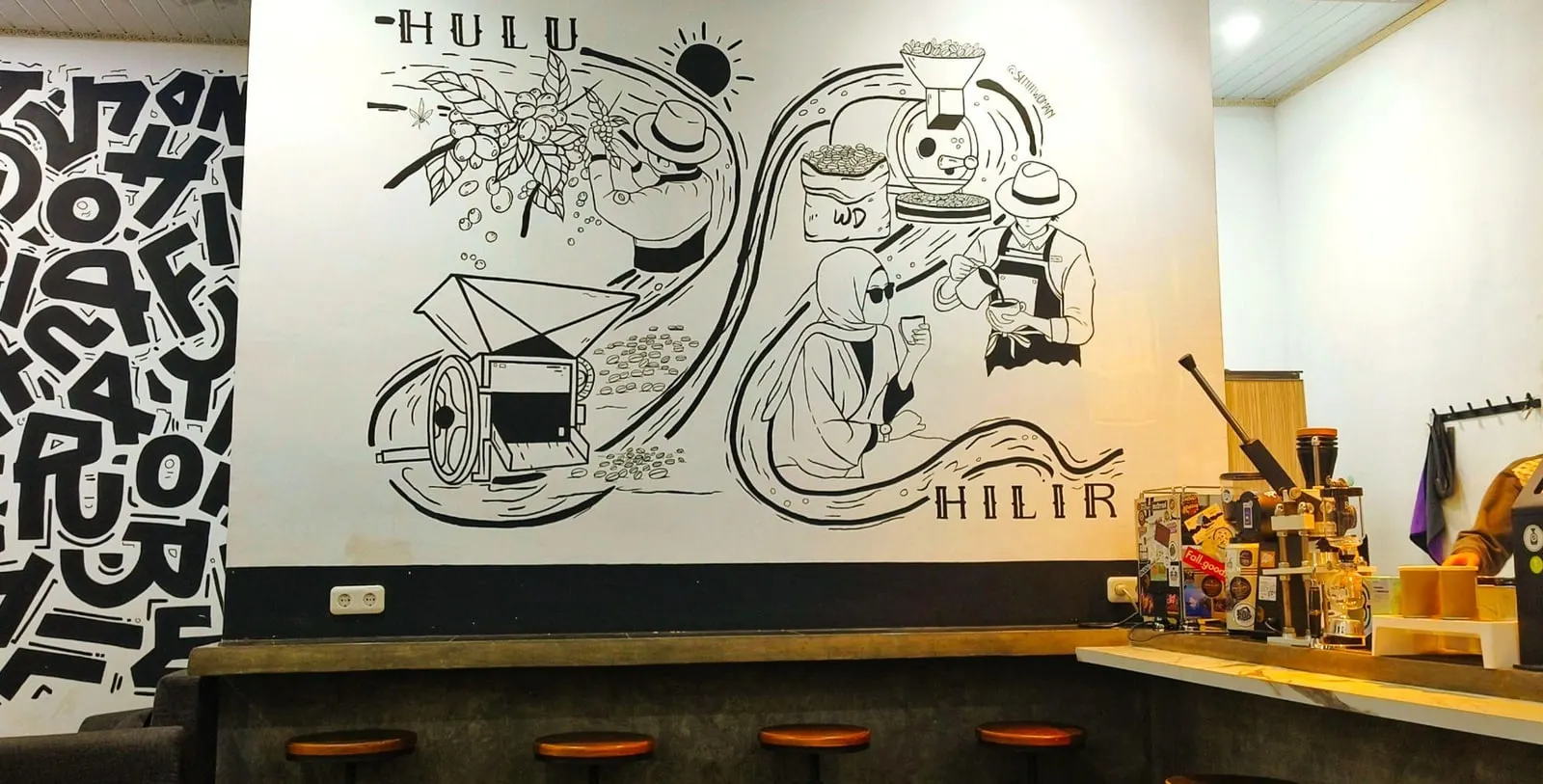
The Long Harvest: Growing a Sustainable Future Beyond Coal in Muara Enim
Robby Anugrah Putra is building a specialty coffee industry in Muara Enim, so that a district shaped by coal has something lasting to grow instead.
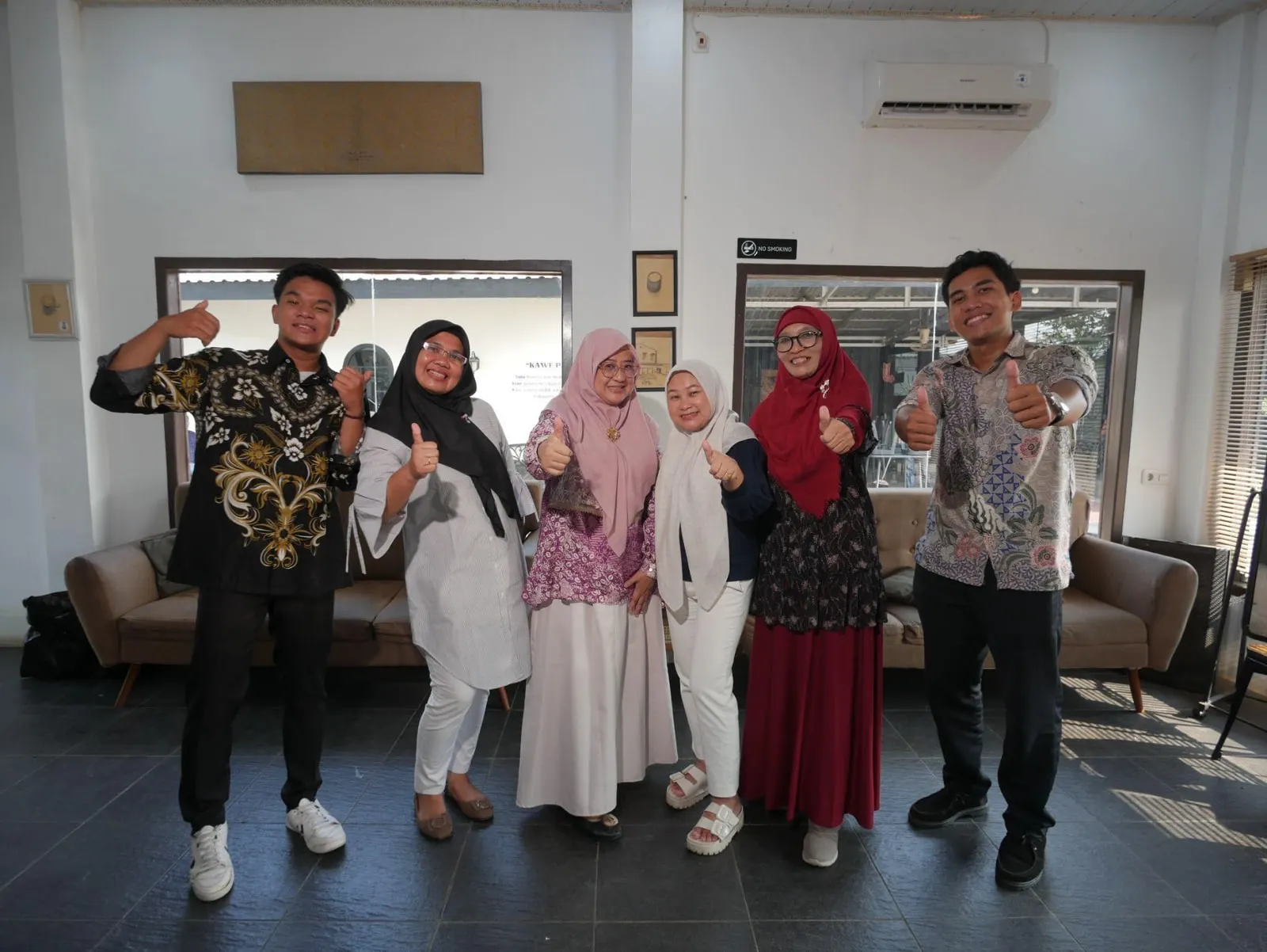
The Door They Opened: The Women Behind YMH’s Just Transition in South Sumatra
A professor, a lawyer and a former teacher ran IKI-JET’s work in South Sumatra. They had six months. Prof. Erna reckons it takes about that long simply to become known in a village.